

- This event has passed.
WPN Webinar: Best Practices for Warm Handoffs
June 4 @ 1:00 pm – 2:00 pm
Please join us to learn about some best practices for enhancing warm handoffs!
Warm handoffs play a crucial role in helping students succeed as they transition into postsecondary education. The National Association for the Education of Homeless Children and Youth (NAEHCY) recently shared data on single-point-of-contact (SPOC) programs for students experiencing homelessness at colleges across the country, and how they are impacting student success.
Rosemary Peterson from the Department of Commerce’s Office of Homeless Youth, and Alisa Ueland, Passport Desgnated Support Staff (DSS) at Everett Community College, will be presenting on the warm handoff and sharing best practices for helping students transition into and navigate college life, and how we can maximize the use of our own SPOC programs to better support students.
Check out our presenters below!
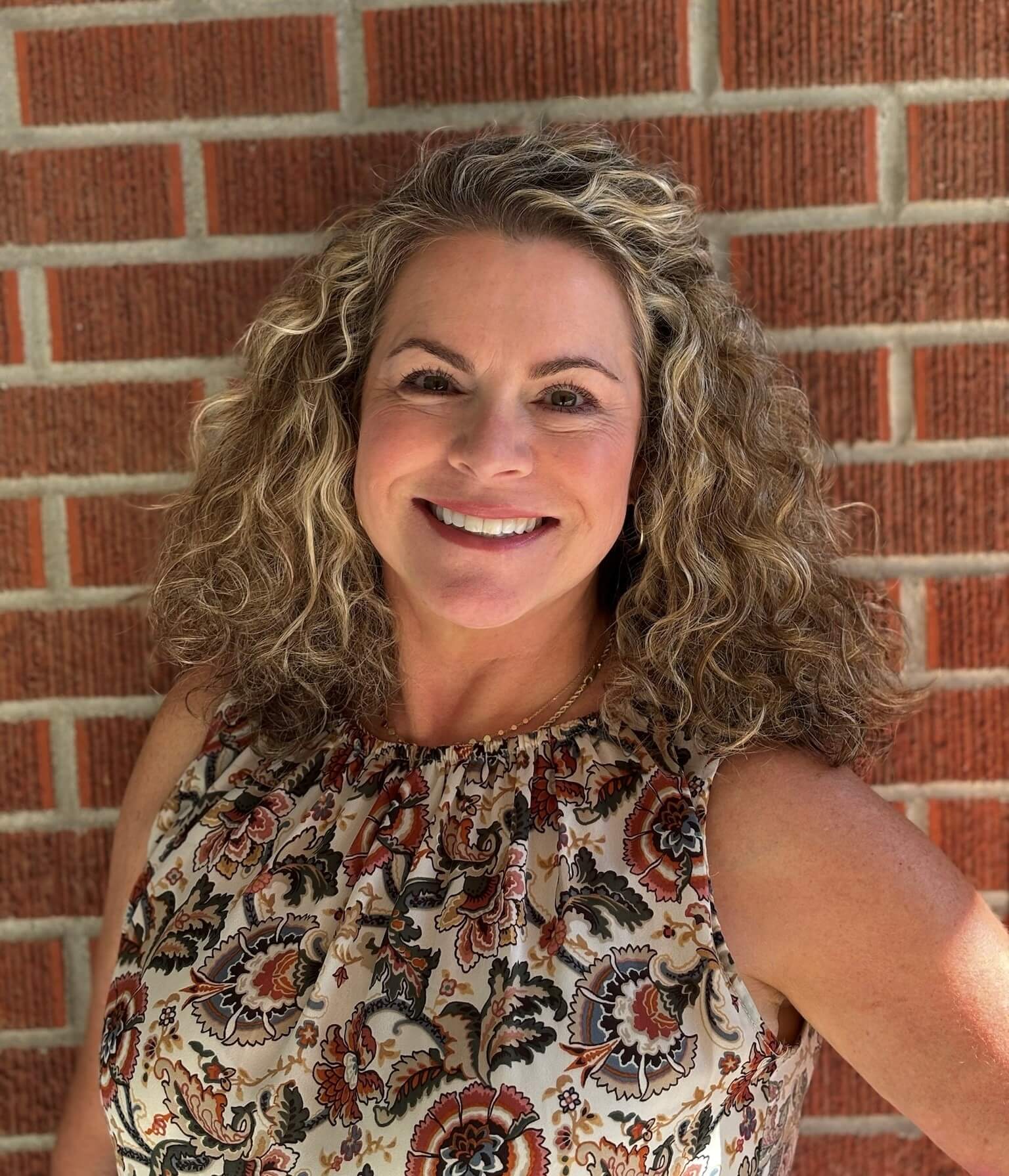
Rosemary Peterson
Rosemary (she/her) is the Education & Employment Manager for the Washington State Department of Commerce’s Office of Homeless Youth (OHY), where she leads statewide initiatives to expand education, training, and economic opportunity for young people experiencing homelessness. Her commitment to this work began as a McKinney Vento Graduation Success Liaison, an experience that deepened her belief in the power of education to disrupt cycles of homelessness.
Alisa Ueland
Alisa is a PNW native and graduate of Washington State University (Go Cougs!). She is currently the Passport to Careers DSS at Everett Community College, and also serves as the CCAMPIS and SPEEA opportunity grants administrator for EVCC. Prior to her work with homeless/unaccompanied youth, former foster youth, and student parents, she worked in the public school sector as a teacher. Her teaching career took her across the US to North Caroline, Virginia, Alaska, and back to Washington. Through her years as a teacher and student advocate, she has had the privilege to learn so much about connection, mentoring, and the importance of community. Her goals include creating spaces for students that are welcoming, easy to navigate, and community centered. Students deserve their best chance at accomplishing their dreams, and being supported in the process. She is delighted to have opportunities to support them and continue advocating for students in her career.
You can read NAEHCY’s recent brief on SPOC programs in the U.S. here: A National Look at Single-Point-of-Contact (SPOC) Programs